

The ongoing conflict involving Iran is no longer just a geopolitical issue — it's a global business disruptor. From oil prices to supply chains, the ripple effects are already being felt worldwide. And for countries like the Philippines, which rely heavily on imported energy, the impact can be even more significant.
According to recent reports, global oil prices have surged dramatically and could rise further depending on how the conflict escalates. But what does this actually mean for businesses?
🌐 The Core Issue: Oil is the Backbone of Business
Oil isn't just about fuel — it powers virtually every sector of the modern economy. Understanding this dependency is crucial for business owners and entrepreneurs.
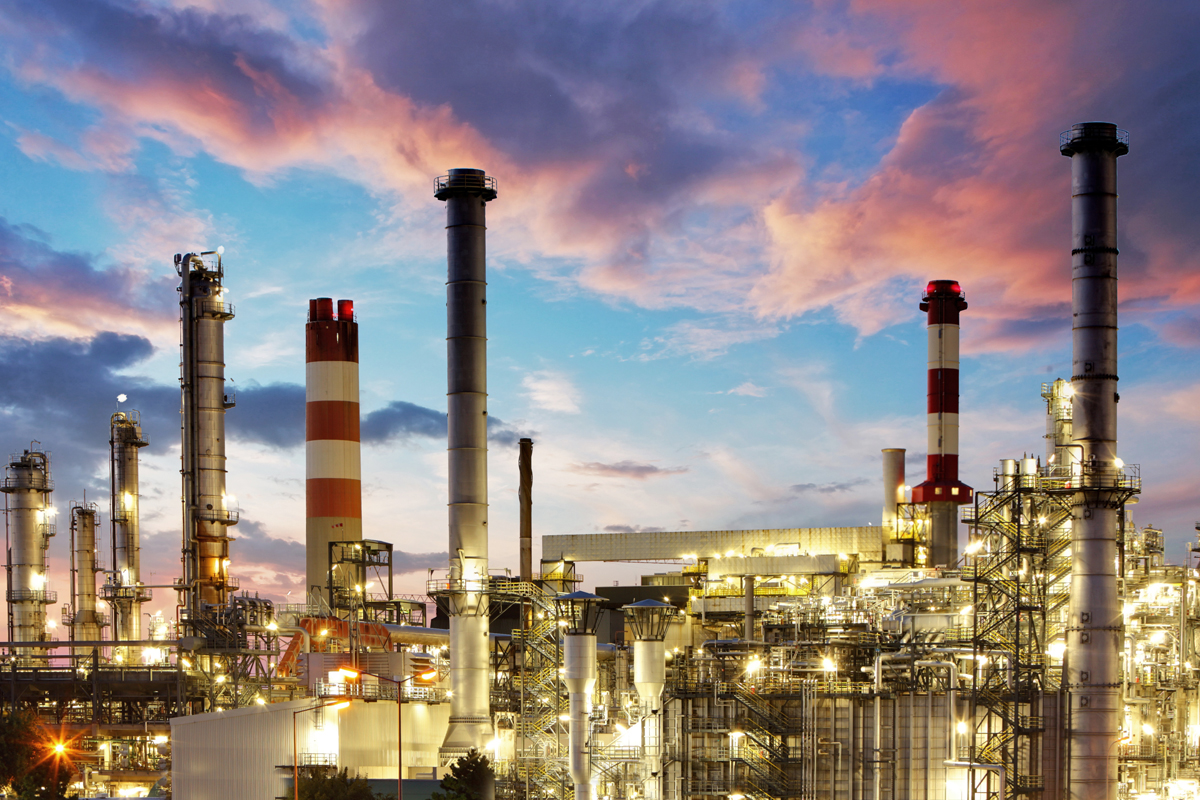
Oil powers:
- Transportation — delivery services, logistics, ride-sharing (Grab), trucking companies
- Manufacturing — factories, production lines, industrial machinery
- Electricity — power generation for businesses and homes
- Food supply chains — farming equipment, distribution, cold storage
Critical Fact
Around 20% of the world's oil passes through the Strait of Hormuz, a critical route now threatened by the conflict. When that flow is disrupted, everything becomes more expensive.
📉 Global Business Impact

AI-Assisted Article
This article was written with the assistance of AI. While we strive for accuracy and rely on legitimate sources, some information may not be fully up to date or may not reflect the complete picture. We encourage readers to verify key details independently.
1. Rising Costs Everywhere
- Oil prices have increased by over 50% since the war began
- Shipping, logistics, and production costs rise proportionally
- Businesses face a critical decision: increase prices or reduce profit margins
Example (International)
A US e-commerce brand importing goods from Asia now pays:
• Higher shipping fees (fuel surcharges)
• Increased insurance costs
• Extended delivery timelines
Result: Product prices go up → customers buy less → revenue drops
2. Supply Chain Disruptions
The war affects multiple critical areas of global commerce:
- Shipping routes become unstable and dangerous
- Insurance costs skyrocket for cargo passing through conflict zones
- Delivery timelines extend by weeks or months
- Offshore operations dropping significantly due to risk
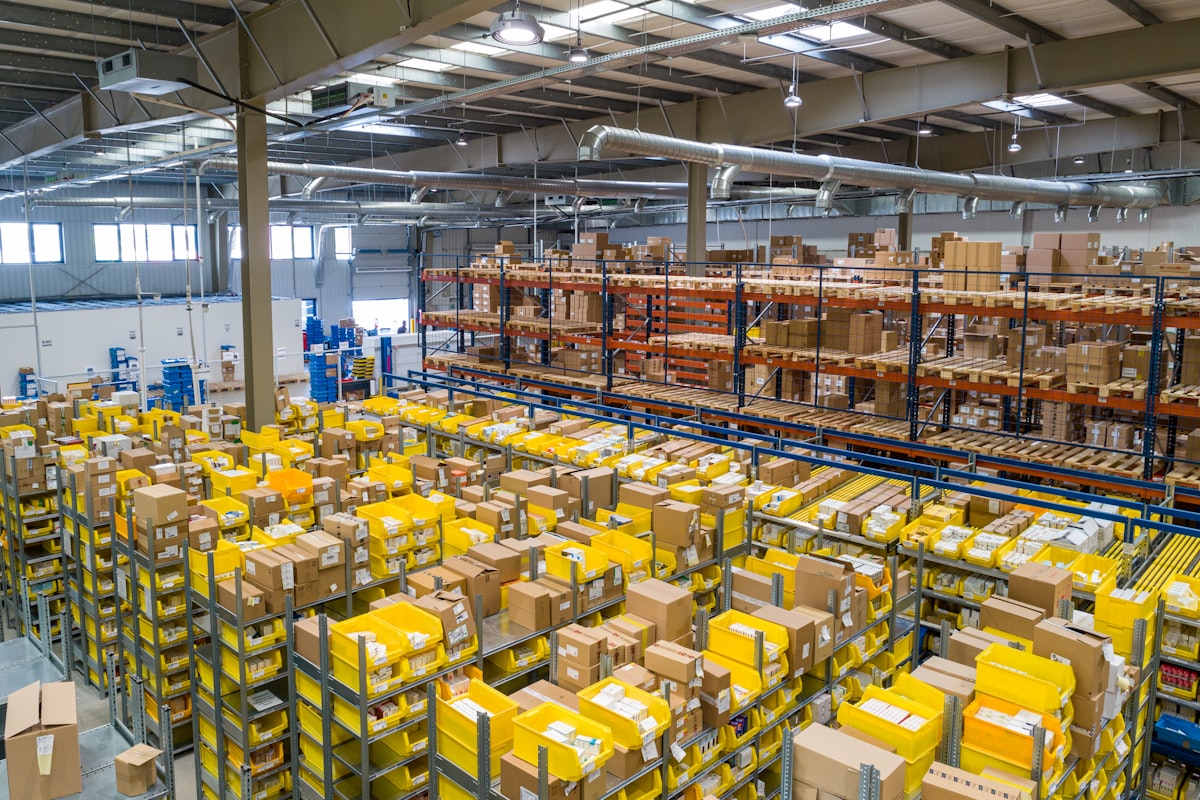
"Supply chain disruptions don't just delay products — they create cascading failures across entire business ecosystems."
What this means for businesses:
- Delayed products arriving late or not at all
- Out-of-stock inventory affecting sales
- Lost sales opportunities and damaged customer relationships
- Increased carrying costs for alternative suppliers
3. Inflation & Consumer Spending Drops
When fuel rises, it creates a domino effect across the entire economy:
What Increases
- Food prices (farming, distribution)
- Transportation costs (all sectors)
- Electricity costs (power generation)
- Product manufacturing costs
What Consumers Cut
- Online shopping (non-essentials)
- Services and subscriptions
- Luxury items and dining out
- Travel and entertainment
🇵🇭 Impact on Businesses in the Philippines

The Philippines is highly vulnerable because it imports most of its oil. While the government says the impact is "manageable for now," this depends entirely on:
- Duration of the war
- Escalation of oil price increases
- Global supply chain recovery speed
Real Risk
If the conflict escalates:
⚠️ Fuel prices rise dramatically
⚠️ Transportation costs increase across all sectors
⚠️ Prices of goods and services increase
⚠️ Consumer purchasing power decreases
Examples: Local Businesses
| Business Type | Impact | Result |
|---|---|---|
| 🛵 Food Delivery Business | Higher gasoline = higher delivery fees | Customers order less, profit margins shrink |
| 🏪 Small Retail Store | Suppliers increase prices due to transport cost | Store raises prices, customers buy less |
| 🚛 Logistics Company | Fuel cost = biggest expense | Profit drops quickly, business sustainability threatened |
| 🍽️ Restaurant Business | Ingredient costs rise, electricity costs increase | Menu prices increase, foot traffic decreases |
Watch: How Iran War Affects Global Economy
💡 So Where Does Web Design Come In?
Here's the opportunity most businesses miss during economic uncertainty 👇

Offline Business Challenges
- 👎 Offline sales become unpredictable
- 👎 Foot traffic decreases
- 👎 Operating costs increase
- 👎 Limited by physical location
Online Business Advantages
- 👍 Lower cost to operate
- 👍 Wider audience reach
- 👍 More control over sales
- 👍 24/7 availability
🚀 Why Every Business Needs a Website During Crisis
1. Reduce Dependency on Physical Sales
Instead of relying only on walk-ins, a business can:
- Sell products and services online
- Accept bookings and appointments 24/7
- Generate leads automatically
- Build an email list for direct marketing

2. Reach Customers Beyond Location
If fuel prices rise:
- People travel less to physical stores
- But they still browse and shop online
- Your website becomes your 24/7 salesperson
- Geographic limitations disappear
3. Build Trust in Uncertain Times
When prices increase, customers become more selective. A professional website:
- Builds credibility and trust
- Increases conversion rates
- Makes your business look stable and established
- Provides transparent pricing and information
Real Business Scenario
Without Website:
• Depends on foot traffic
• Affected by fuel price hikes
• Sales drop when economy slows
With Website:
• Accepts online orders 24/7
• Uses digital marketing to reach customers
• Generates leads daily regardless of location
• Result: More stable income even during crisis
Need a Website That Works Even During Economic Uncertainty?
At M Web Design, I help businesses build resilient online presences that generate revenue regardless of external economic conditions.
AI-Assisted Article
This article was written with the assistance of AI. While we strive for accuracy and rely on legitimate sources, some information may not be fully up to date or may not reflect the complete picture. We encourage readers to verify key details independently.

🧠 Key Takeaways
Summary
- ✅ The Iran war is pushing oil prices higher globally
- ✅ Oil affects every business sector through energy and transportation
- ✅ The Philippines is vulnerable due to oil import dependency
- ✅ Rising costs = lower consumer spending on non-essentials
- ✅ Businesses must adapt digitally to survive economic shocks
- ✅ A strong online presence is no longer optional — it's survival
Conclusion
The Iran conflict is a reminder of one crucial truth: External events can disrupt your business anytime.
You can't control:
- ❌ War and geopolitical conflicts
- ❌ Oil prices and global markets
- ❌ Global supply chains
- ❌ Economic uncertainty
But you CAN control:
- ✅ Your online presence and digital footprint
- ✅ Your sales channels and revenue streams
- ✅ Your business resilience and adaptability
- ✅ Your customer reach and engagement
"In today's world, a strong website isn't optional anymore — it's survival. Businesses that adapt digitally will weather any storm."

Ready to Build Business Resilience?
Don't wait for the next crisis to expose your business vulnerabilities. Start building your online presence today and create a stable revenue stream that works regardless of external events.
Get Started NowSources & References
- Reuters — Oil prices stay elevated across Iran war scenarios
- Reuters — Services firms feel the squeeze as oil rally from Iran war fails to spur drilling
- PIA — Statement of Finance Secretary Frederick D. Go on the economic impact of the US-Israel-Iran conflict
- YouTube — Economic Impact Explanation Video